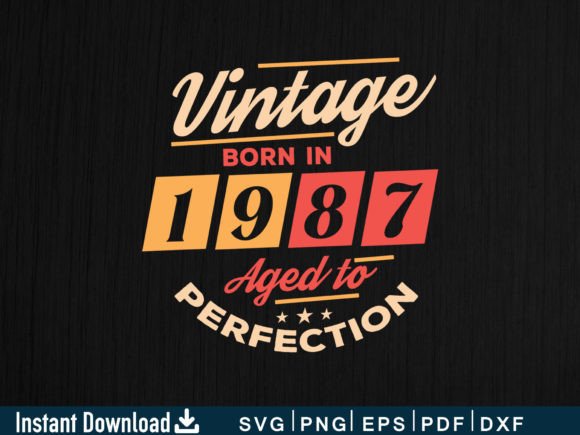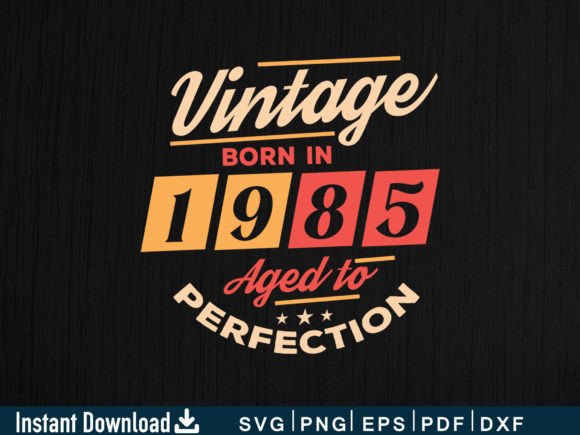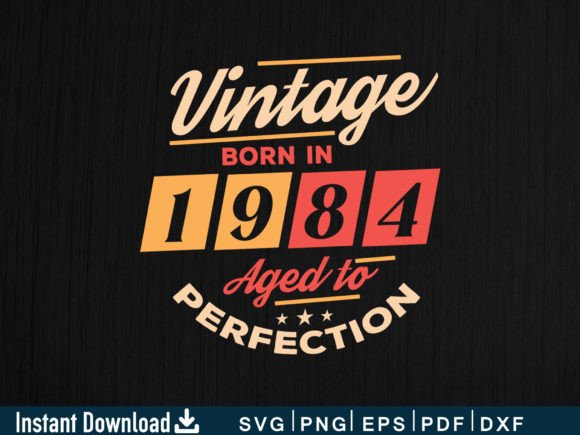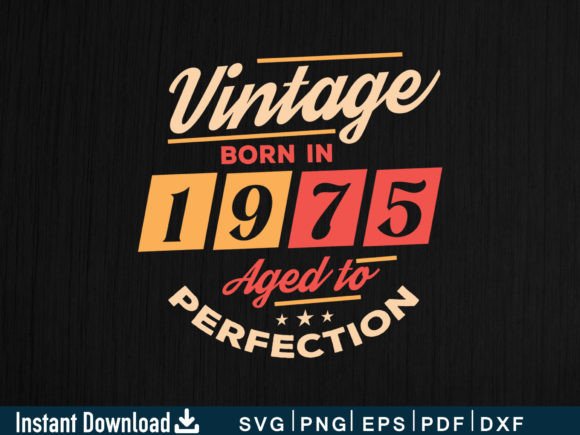
Vintage Born in 1940: Aged to Perfection
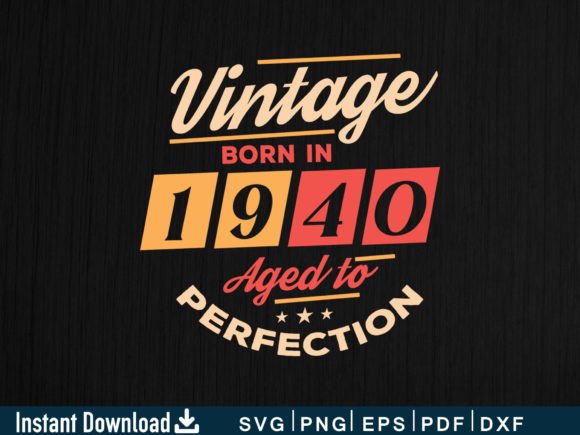
As an experienced embroidery designer, I'm always on the lookout for designs that not only capture the essence of a theme but also perform well in real-life embroidery projects. Today, I’m reviewing Vintage Born in 1940 Aged to Perfection, a design that promises to be both a charming and versatile addition to any embroidery project.
First Impressions and Visual Appeal
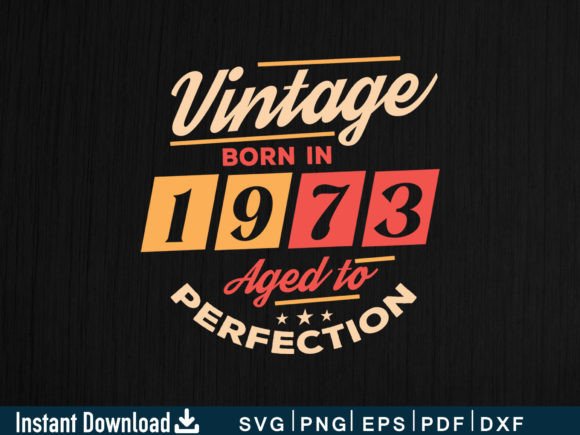
The first thing that strikes me about Vintage Born in 1940 Aged to Perfection is its nostalgic and classic vibe. The design features elegant, slightly distressed lettering that exudes a timeless, vintage feel. The layout is balanced, with the text arranged in a way that feels both modern and retro, making it perfect for a wide range of projects.
A Natural Fit for Custom Apparel
One of the most appealing aspects of this design is its versatility. It’s ideal for custom apparel like t-shirts, sweatshirts, and tote bags. For instance, imagine stitching this design onto a high-quality, natural cotton tote bag. The result would be a thoughtful, personalized gift that stands out with its unique, aged charm.
Performance on Different Fabrics and Surfaces
When it comes to real-life embroidery, the choice of fabric and surface is crucial. Vintage Born in 1940 Aged to Perfection performs exceptionally well on smooth, medium-weight fabrics like cotton and canvas. However, it requires careful consideration when using it on textured, thin, or stretchy fabrics. For example, if you’re planning to embroider this design on a baby onesie, make sure to use a stabilizer to prevent puckering and ensure a clean, professional finish.
Stitch Density and Detail Level
The stitch density of Vintage Born in 1940 Aged to Perfection is well-balanced, providing a clear and legible design without being overly dense. This makes it suitable for both satin stitch and fill stitch techniques. The design's intricate details, such as the slight distressing, add character and depth, but they may require extra attention on smaller hoop sizes or detailed corners.
Practical Embroidery Designer Notes
- Test on Scrap Fabric: Before committing to your final project, test the design on a scrap piece of the same fabric to ensure it meets your expectations.
- Thread Color Contrast: Choose thread colors that complement the fabric and enhance the vintage look. Consider using a subtle contrast for a more authentic, aged appearance.
- Hoop Size and Stabilizer: Confirm the hoop size required for the design and use the appropriate stabilizer to maintain the fabric's integrity and the design's clarity.
- Mockups and Backgrounds: Test the design in black and white mockups and on both light and dark fabric backgrounds to see how it will look in different settings.
- Licensing and Commercial Use: Always check the licensing terms before using the design for commercial projects or selling finished items. Ensure you have the proper permissions to avoid any legal issues.
Enhancing Handmade Products and Brand Consistency
For Etsy sellers and small shop owners, Vintage Born in 1940 Aged to Perfection can be a valuable asset. It adds a touch of nostalgia and personalization to handmade products, enhancing their appeal and value. Whether you’re creating embroidered patches, custom aprons, or holiday gifts, this design can help establish a consistent and recognizable brand identity.
Customer Trust and Buyer Engagement
Customers appreciate the effort and quality that go into handmade and custom products. Vintage Born in 1940 Aged to Perfection not only looks great but also feels like a premium, thoughtful gift. This can significantly boost customer trust and buyer engagement, making it a smart choice for anyone looking to create memorable, high-quality embroidered items.
Final Thoughts
In conclusion, Vintage Born in 1940 Aged to Perfection is a well-crafted and versatile embroidery design that can elevate a variety of projects. Its vintage charm, balanced layout, and practical performance make it a valuable addition to any embroidery designer’s toolkit. Just remember to test, adjust, and carefully consider the fabric and project type to ensure the best possible results.